The power of design sprints
Getting to clarity fast (2012-2025)
A design sprint is the fastest way I know to turn a stuck question into a shared picture. Over five companies I have run them, taken part in them and sponsored them, on questions ranging from a navigation pattern to the direction of a whole product.
- Companies
- Viaplay, Kry, Mentimeter, Epidemic Sound, Relex
- Role
- Facilitator, participant and sponsor
- Formats
- Design sprints, design studios, vision sprints
- Used for
- Strategic direction, new bets, product-level redesigns
Why I use them
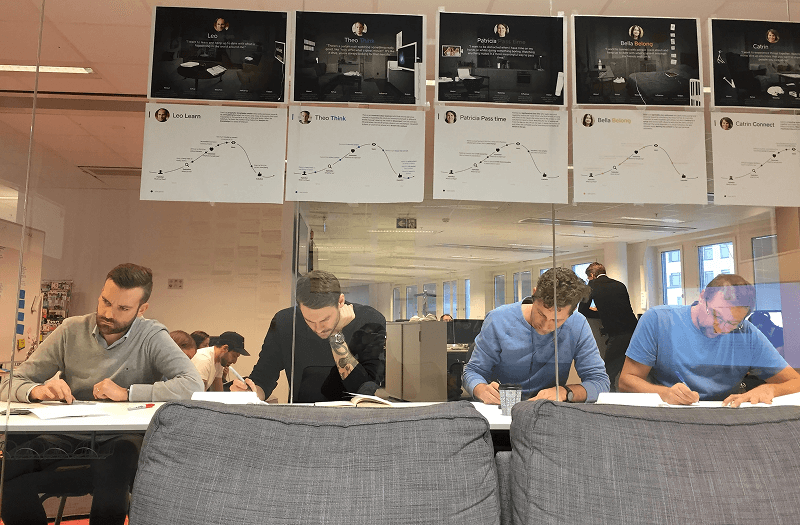
Most stuck discussions are stuck because people hold different pictures in their heads. A sprint puts those pictures on the wall, where they can be compared, combined or dropped. That raises the level of the conversation faster than any number of meetings.
Sprints are also a cheap way to explore. A prototype tested in a week builds more confidence than a quarter of debate, and it gives the team a running start when it is time to build.
And they let design take the initiative. Sprints work best in partnership with product and engineering. Where design is undervalued, they are also one of the clearest ways to show what design can contribute beyond delivery.
Strategic direction
Viaplay: content discovery. Together with product, we used a sprint to clarify the strategic dimensions of content discovery, explore directions for each strategic choice, and show what a far more discovery-focused interface could look like.
Mentimeter: unblocking the product direction. Leadership had several possible directions for the product and no clear way to choose. I gathered the most senior designers and asked the same question for each direction: what if Mentimeter went all in on this? The sketches gave leadership something concrete to discuss and became the start of the MentiX vision work.
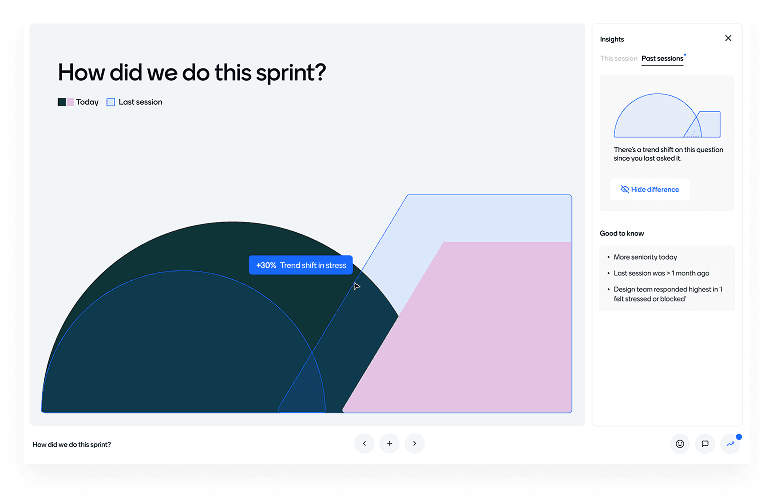
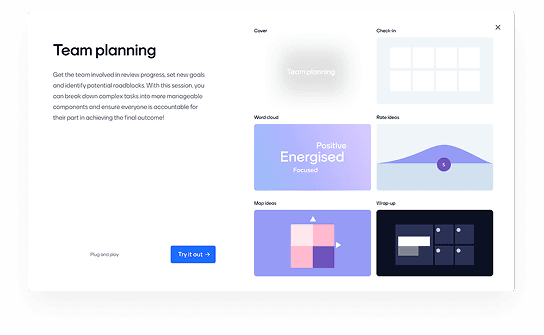
Epidemic Sound: an AI-era plugin. As AI features started to be explored, I ran a sprint on how to rethink the plugin product area. We sketched directions and flows, connected separate AI initiatives into one holistic narrative, and proposed experience principles to guide the work.
New bets
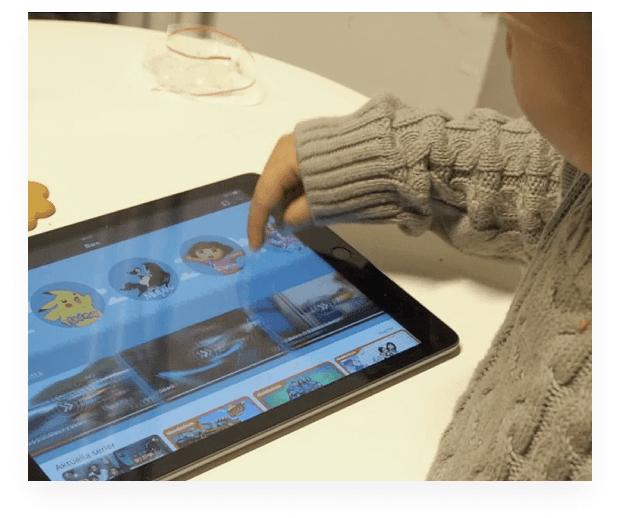
Viaplay: kids as a new audience. Kids were a strategic new bet, with their own content, branding needs, navigation patterns and expectations of a more immersive interface. We combined a design sprint with a larger design studio, where people from many departments contributed ideas within a user need we had already validated.
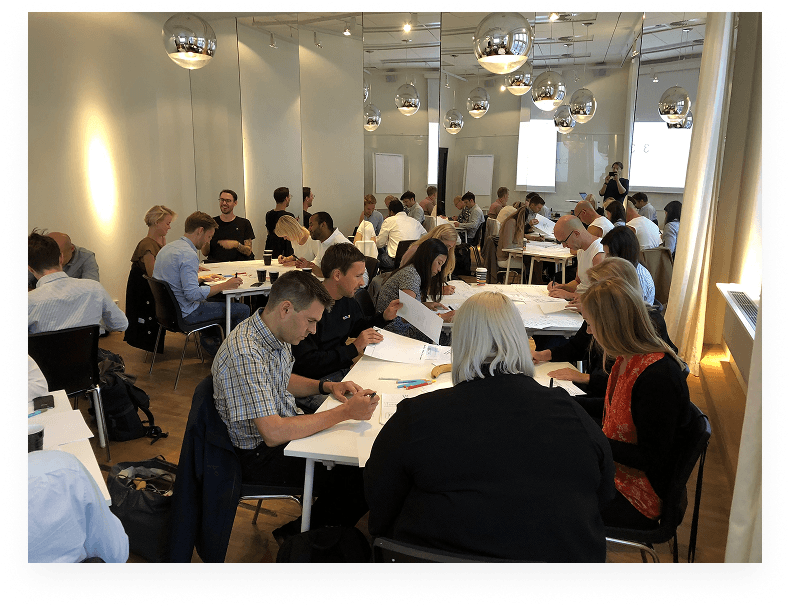
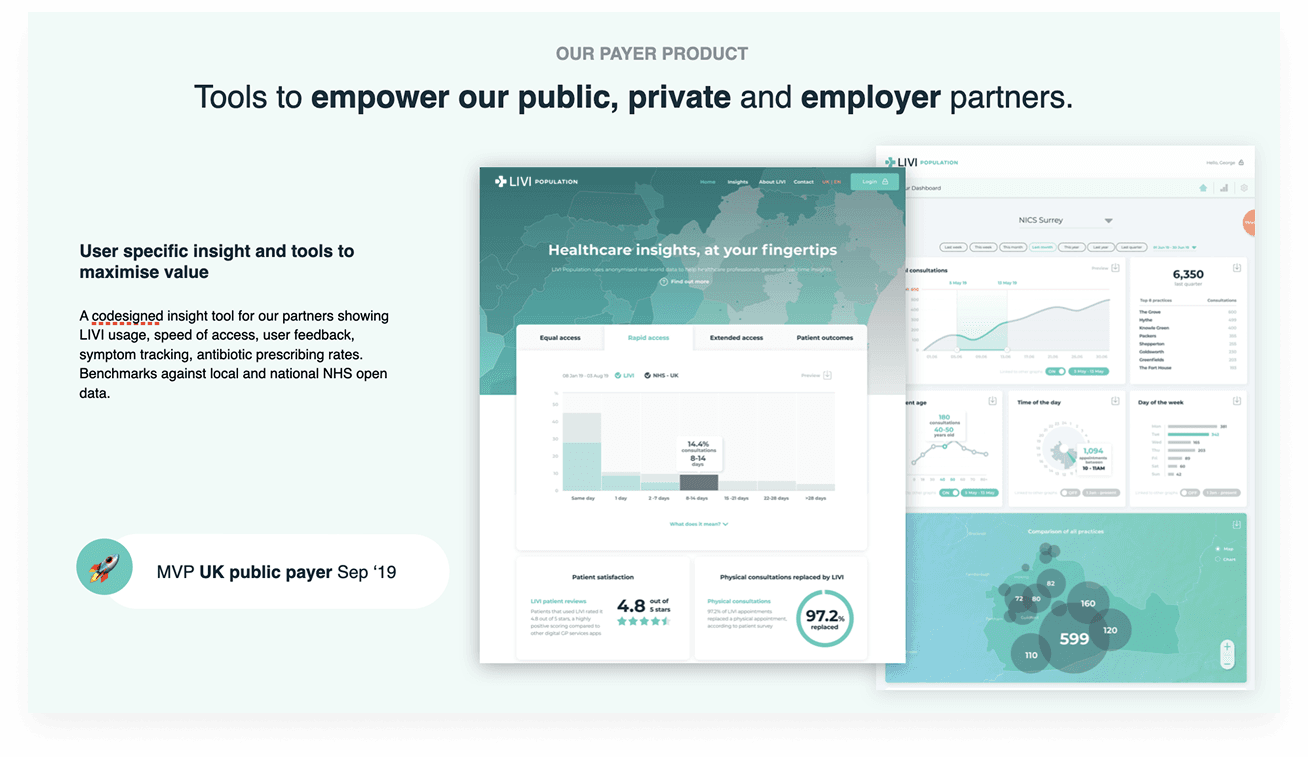
Kry: a product for payers in the UK. Entering the UK meant serving a new key stakeholder: the payers in the NHS-led health system. Design drove a sprint, with product, engineering and analytics, on a product showing regions how Kry, known as Livi in the UK, affected the metrics they cared about: efficiency, access, antibiotic prescription rates, and relief for traditional primary care. The result was a shared vision and a fast lane into building it. The product shipped and opened the way for a close collaboration with the NHS and primary care partners.
Product-level redesigns
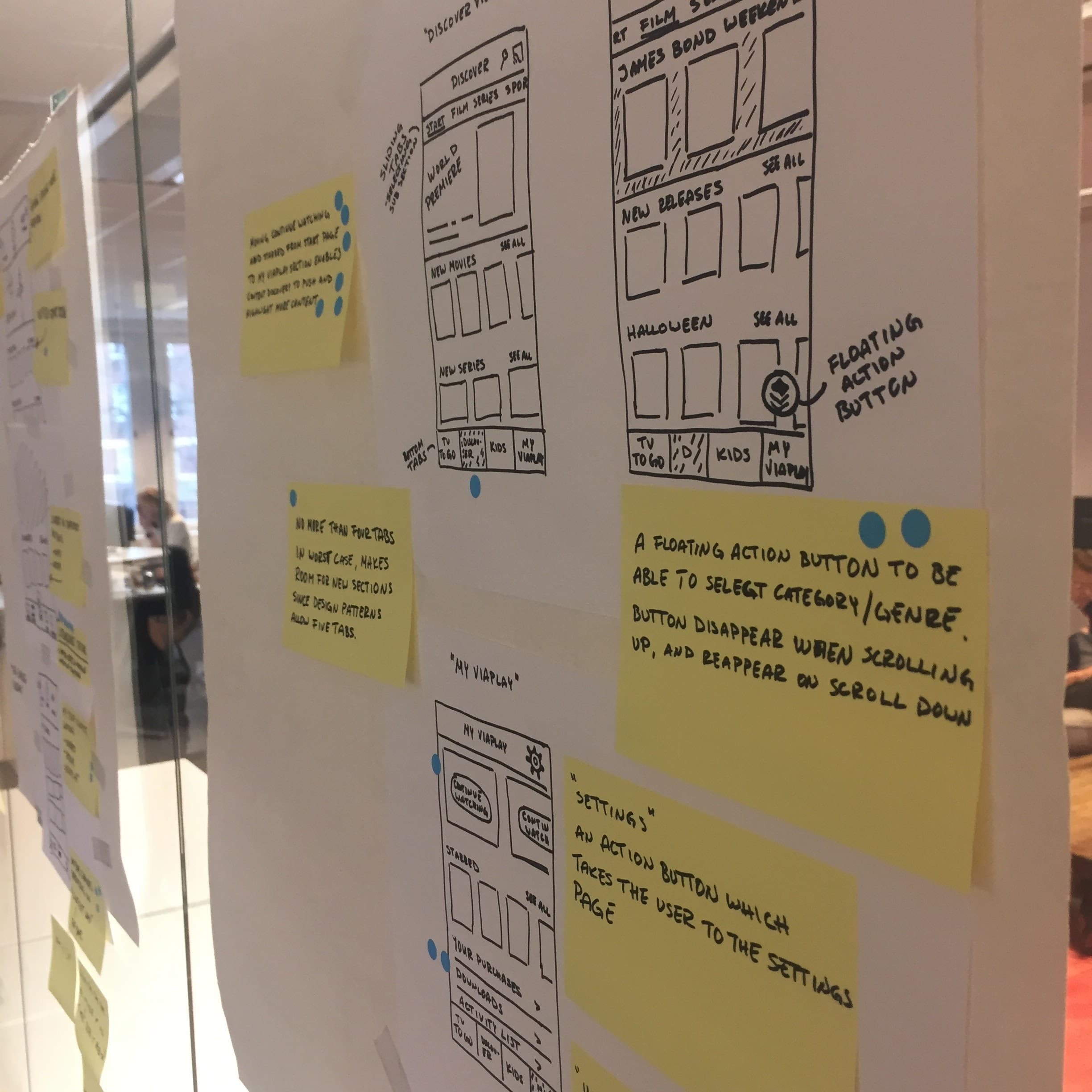
Viaplay: mobile app navigation. A cross-functional sprint with design, product and engineering, exploring a new navigation model for the mobile app.
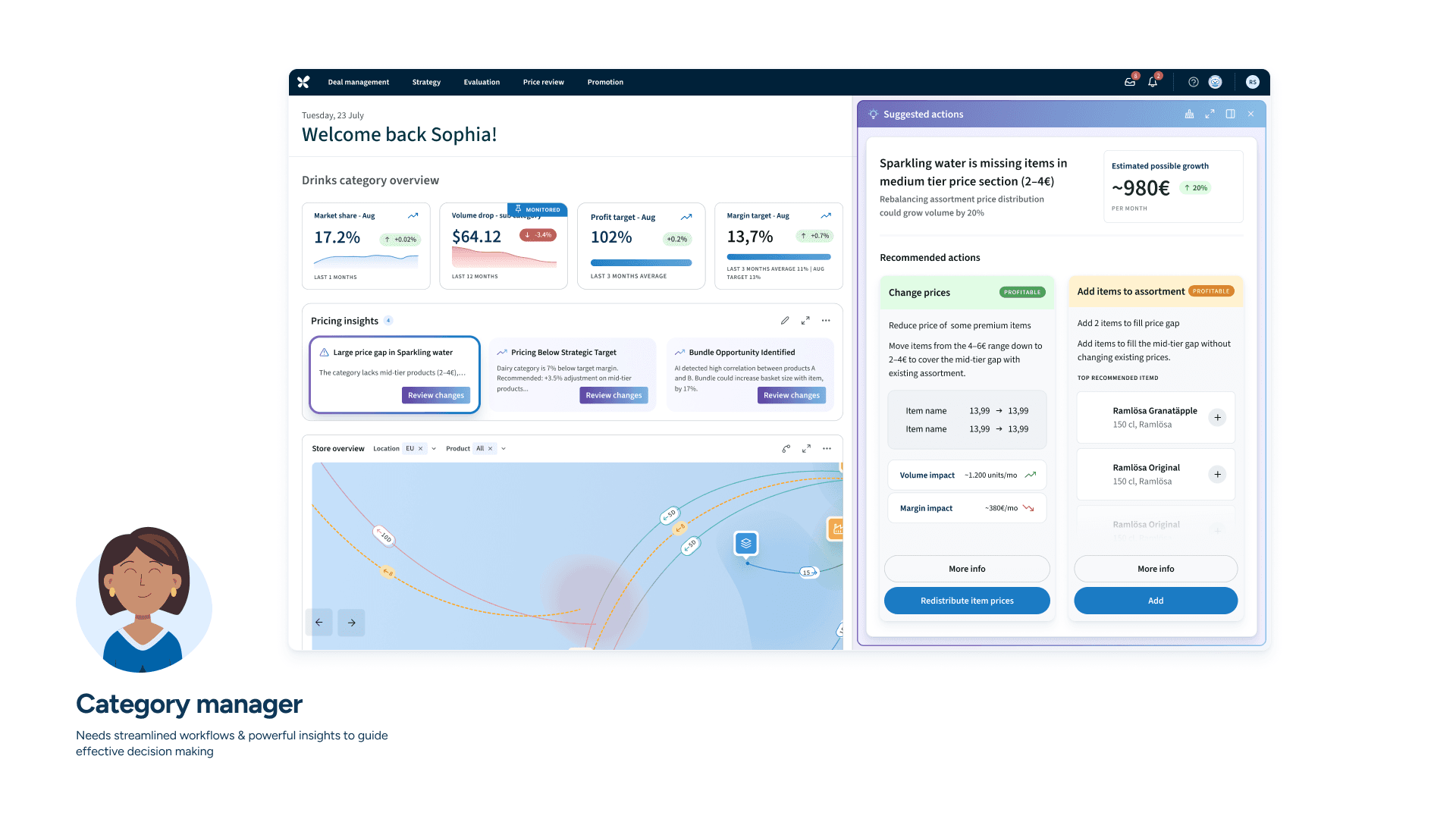
Relex: reimagining the landing page. I sponsored two lead designers to explore where the Pricing & Promotion landing page could go. The work was detailed and ambitious, and it gave teams busy with deadline-driven work a direction to aim for.
How I adapt the format
The classic five-day sprint is a starting point, not a rule.
- Sprint plus studio. When a question needs broad ownership, a design studio lets people from many departments contribute ideas, within a user need the sprint has already validated.
- Vision sprints. For strategic questions, the output is not a tested prototype but deliberately extreme directions that make the choice visible.
- Sponsored sprints. As a leader, my most useful role is sometimes to create the space, set the question and let others run it.
Sprints in the age of AI
Sprints used to be valuable partly because building was expensive, and a week of prototyping was a cheap way to avoid building the wrong thing. AI has made building cheap. That makes the other half of the sprint more important: getting the right people to agree on what is worth building at all.