Mentimeter
From start-up to product organisation (2021-2023)
Mentimeter had a product used by millions and a product organisation still working like an early-stage start-up. My job as its first design leader turned out to be mostly about changing how the product department made decisions, while leveraging design as a partner.
- Role
- VP Product Design
- Period
- March 2021 - May 2023
- Team
- 8 designers growing to around 26, with four managers
- Scope
- Design function, product operating model, product direction
The situation
When I joined, Mentimeter had eight designers but no design team. They were spread across cross-functional teams, with no shared practice, role descriptions or levels.
The wider product department was at a similar stage. Roadmaps were set top-down, product managers mostly ran delivery of work that had already been decided, and features were rarely validated with users before they were built. That is a natural stage for a company that has grown fast on a product people love, and Mentimeter was ready for the next one.
My role
I was hired as the first formal leader of the design craft at Director level, and promoted to VP Product Design within a year. I was part of the product department's leadership group together with the VP Product and the VP Engineering, and part of the wider leadership forum.
Call 1: establish the trio as the operating model
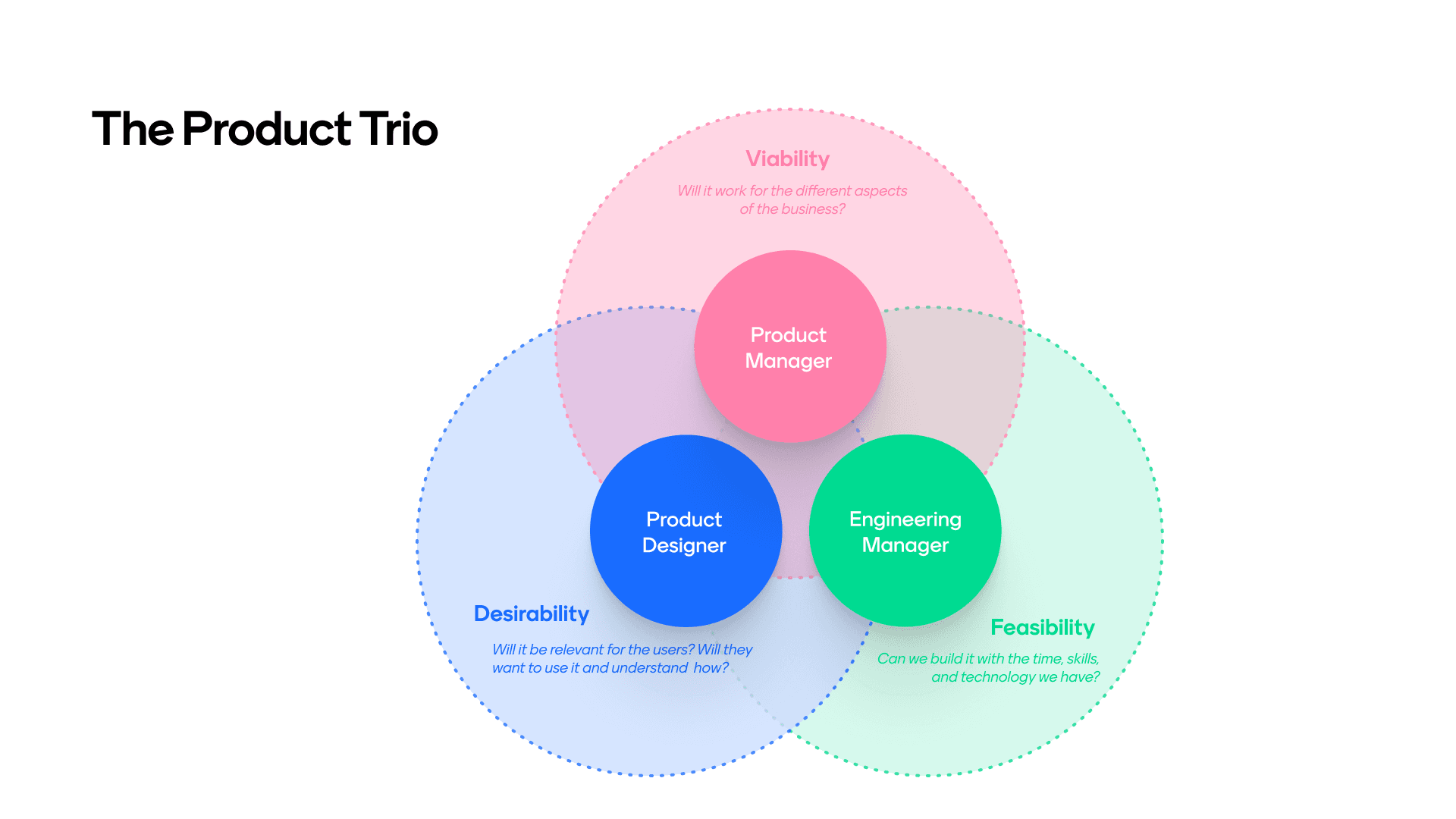
The obvious need was to fix how design worked, but I found the bigger problem was that nobody owned decisions together. So, together with my peers in product and engineering, I introduced the product trio as the way the whole department works. In every team, the product manager, product designer and engineering manager co-own direction, discovery and outcomes.
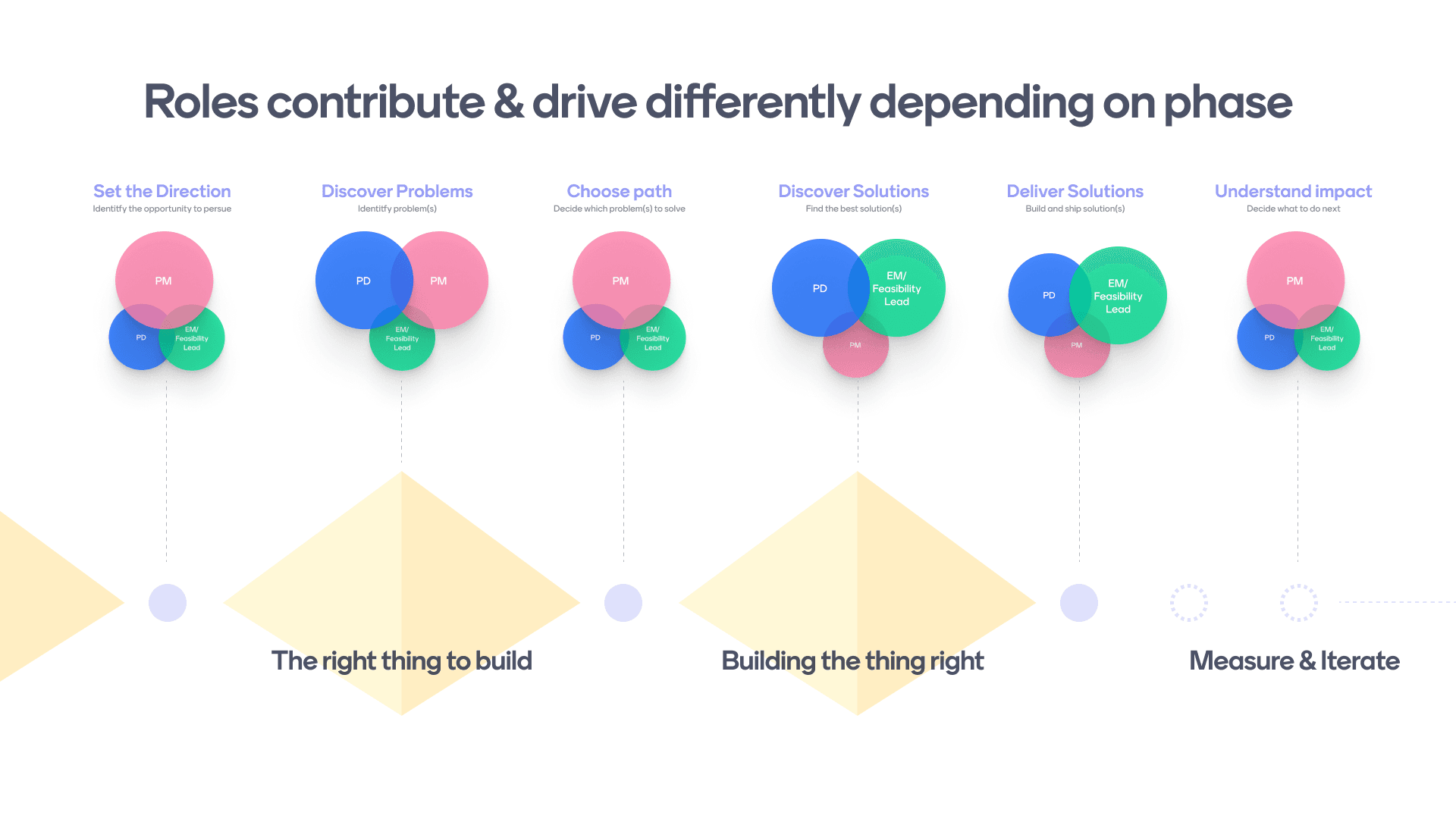
We defined what each role is accountable for and how the balance shifts from discovery to delivery. By the end, all six teams across two product areas worked as trios.
We applied the same model to ourselves as leaders. We spoke to the department with one voice, so teams heard one direction rather than three. Moving where decisions sit takes trust and practice, so we treated it as something to keep improving over time.
Call 2: build structure for a growing function
Growing from eight to 26 people needed more than good hiring. I built:
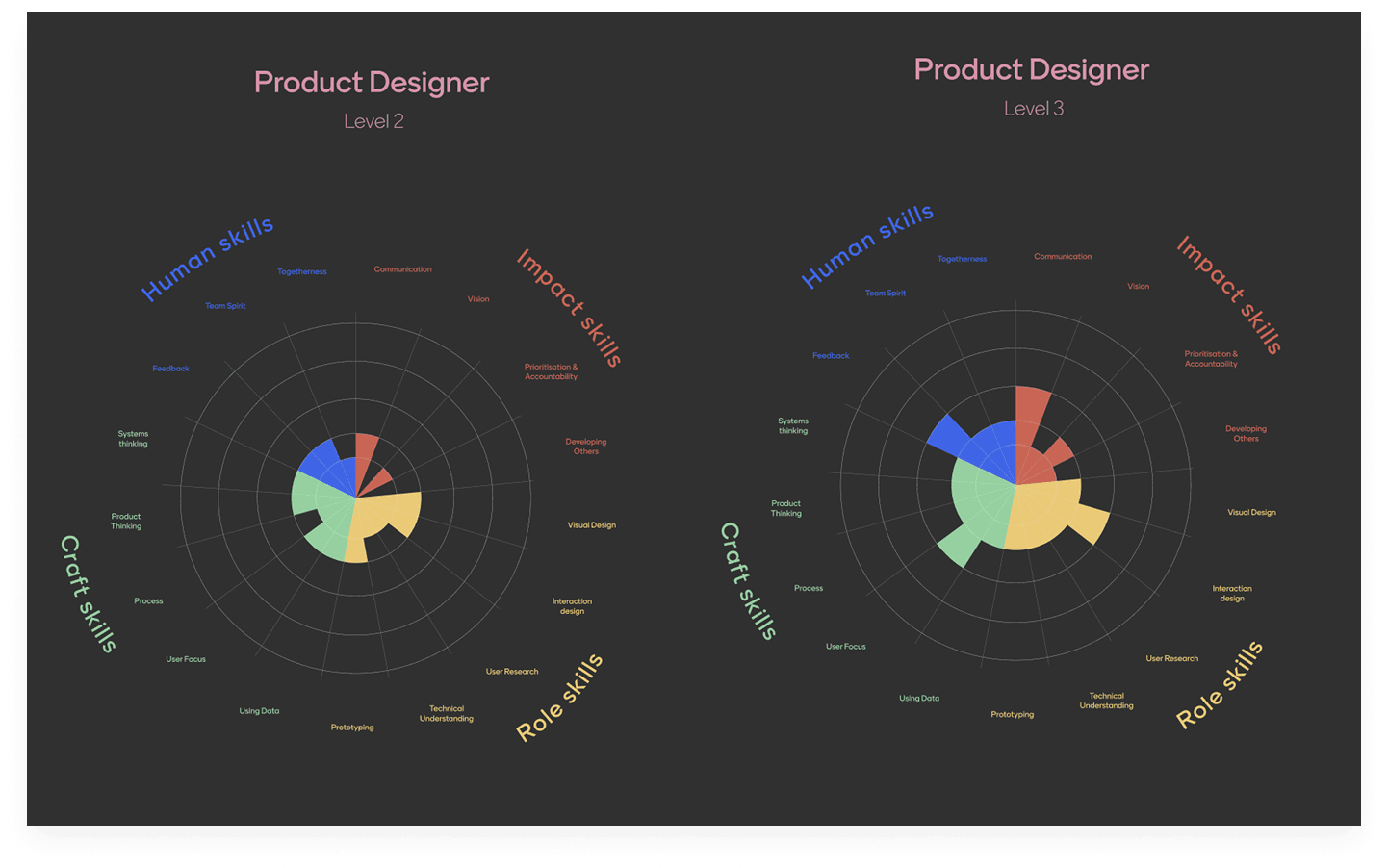
- A role and level framework across craft, role, impact and human skills
- A management layer of two design directors and two senior managers
- New disciplines: user research, content design, design operations, accessibility and staff designers
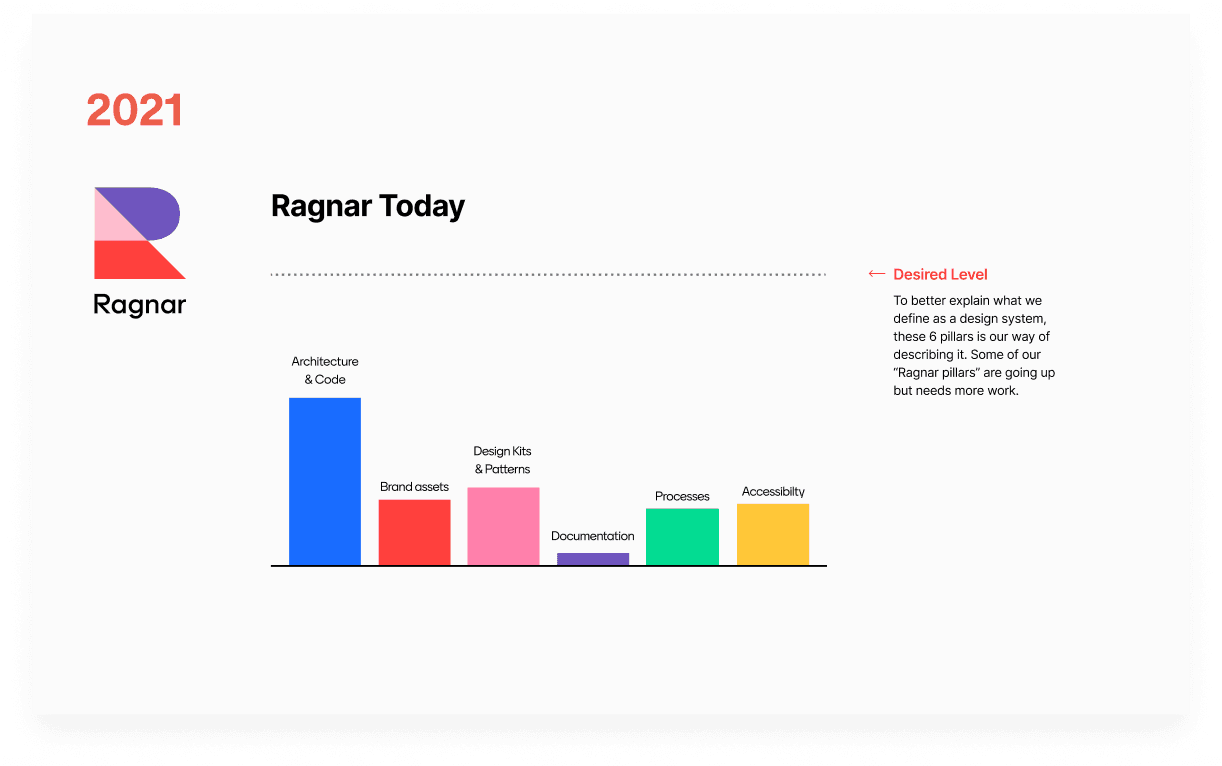
- A design system team for Ragnar, Mentimeter's design system, including a few engineers
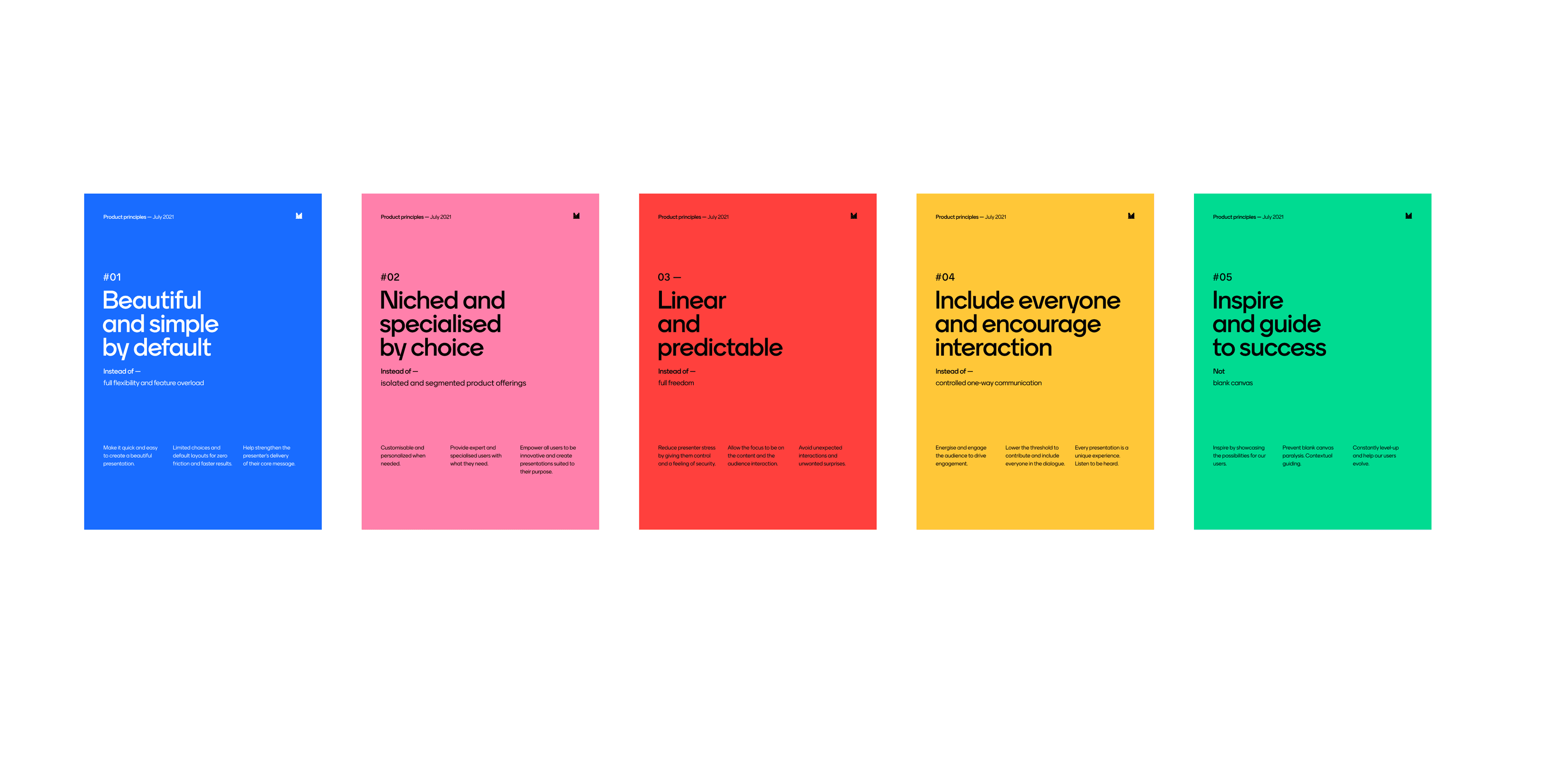
- Shared foundations: product principles written as "this, instead of that", and rituals for critique, feedback and planning
A company that has grown on a strong early culture naturally wants to protect it, and structure does change a culture. I chose to shape that change deliberately rather than reacting as the organisation grew.
The career framework started out too comprehensive and became lighter with each iteration, but its value was clear. Designers understood what was expected of them and how to grow. It also inspired other functions to take career development more seriously.
Call 3: test what everyone already knew
The common view was that we already knew what to fix. We ran research with non-customers anyway, on what they expected from the product and how they understood it. Most of them did not understand it at all.
That moved the focus from adding features to clarity: value propositions, ideal customer profiles and personas, and a reworked logged-out landing page and onboarding.
Call 4: use vision to unblock strategy
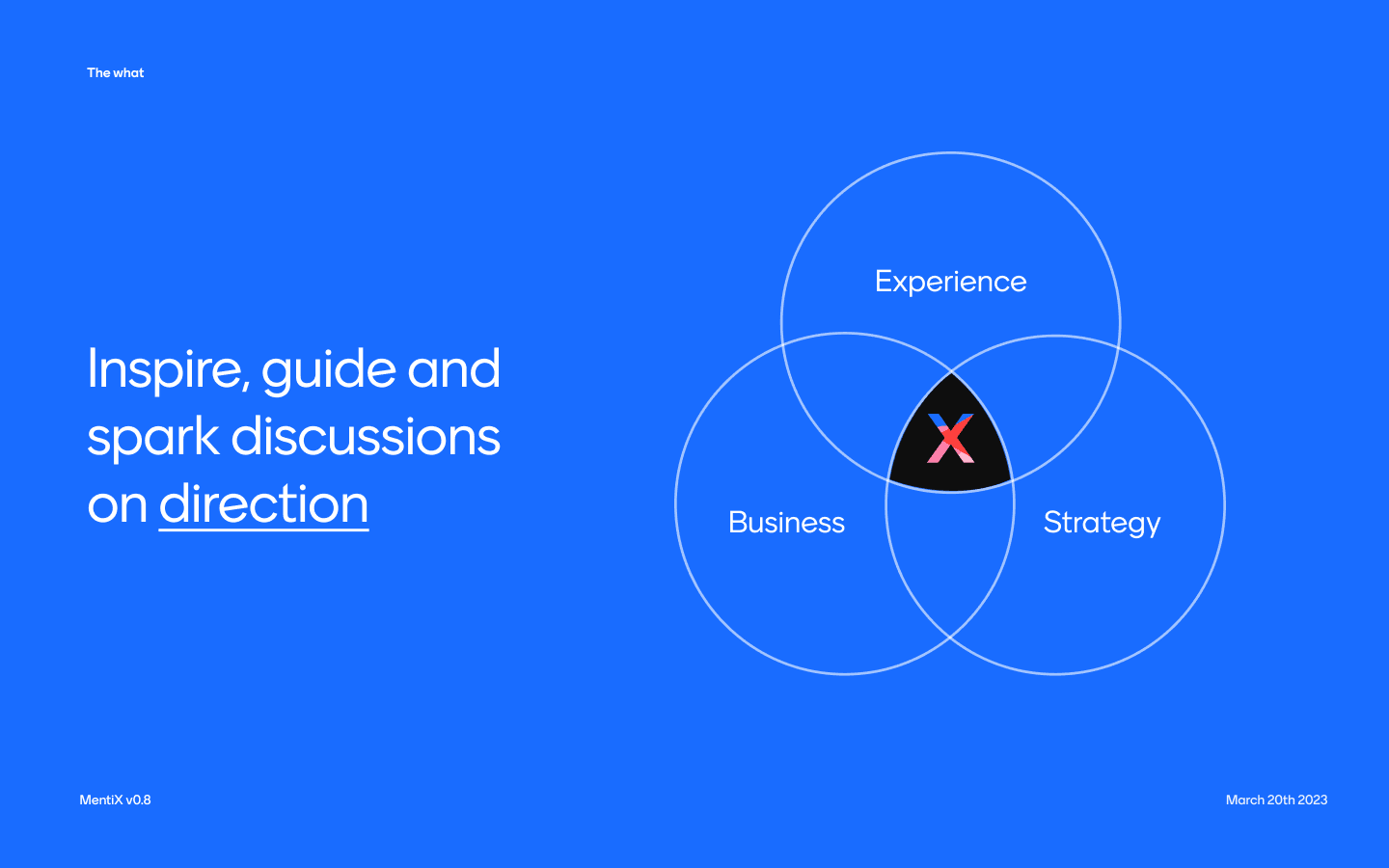
Strategic discussions often stalled on abstractions. I led the MentiX vision work to make possible directions concrete enough to discuss. It was organised around the user's journey: getting up and running, creating, being live, and acting on insights. Its job was to inspire, guide and spark discussion on direction.
Leading beyond design
Much of the work happened outside design: speaking at all-hands meetings and leadership forums, role-modelling open and constructive disagreement, and supporting younger leaders as they stepped into senior roles.
What changed
- Design grew from eight designers spread across teams into a 26-person function with a management layer, new specialist disciplines and a design system team.
- All six product teams across two product areas worked as trios, with shared accountabilities and a shared discovery process.
- Retention and ARR grew steadily. No single initiative can claim that, but a more structured, user-centred way of working helped.
What I took with me
- Meet the organisation where it is. The models were not new. The work was in adapting them to a company with a strong founding culture.
- Keep structure light enough to maintain. A framework managers can keep alive is worth more than a complete one they cannot.
- Separate framing from deciding. Design makes the options and the narrative clear. Leadership still chooses.
“Christoffer Joined Mentimeter at a time when design didn't exist as a craft in the company. During his time, he scaled up the design organization ground up, both in terms of personnel, and more importantly as an included part of how we build things.”
“One of the aspects that sets Christoffer apart is his conviction and fearlessness in standing up for what he believes in. He possesses a mature mindset that is rooted in extensive experience, which allows him to make informed decisions and navigate complex situations with confidence.”